
Encyclopedias & FAQs
109 sites
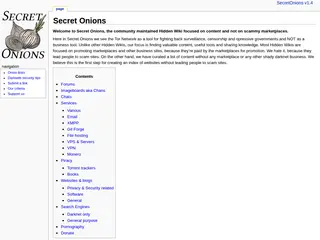
https://secretonions.neocities.org/
Secret Onions is a community-maintained Tor hidden service link directory focused on legitimate content, tools, and knowledge rather than scammy dark web marketplaces. Curated with an anti-surveillance, pro-privacy philosophy, it organizes onion links into categories like forums, email services, file hosting, software, and search engines while actively filtering out scam and marketplace sites.
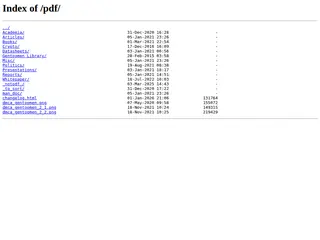
https://theswissbay.ch/pdf
A large open directory of PDFs hosted at theswissbay.ch, offering organized collections of books, academic papers, articles, datasheets, whitepapers, and the famous Gentoomen Library. The breadth of topics covered, from cryptography and politics to technical documentation and presentations, makes it a notable archive for those seeking freely accessible reference materials.
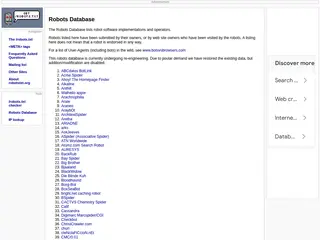
http://robotstxt.org/db.html
The Web Robots Pages hosts a comprehensive database of web crawler and robot software implementations, listing hundreds of bots submitted by their owners or discovered by webmasters. A reference hub for the robots.txt standard, it also offers tools like a robots.txt checker, IP lookup, and documentation on META tags for controlling web crawlers.
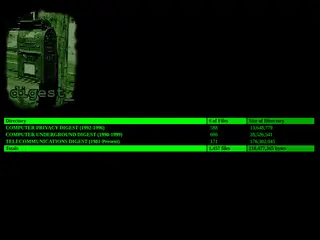
http://digest.textfiles.com/
A subdomain of the legendary Textfiles.com, this archive hosts over 1,400 digitized digest files spanning decades of early internet culture, including the Computer Privacy Digest, Computer Underground Digest, and Telecommunications Digest. Researchers and digital historians will find an invaluable primary source collection documenting hacker culture, privacy debates, and telecom policy from the 1980s through the late 1990s.
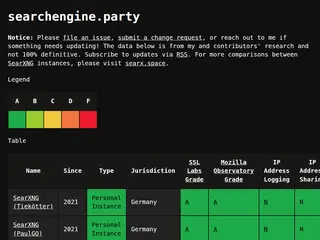
https://searchengine.party/
Search Engine Party is a comprehensive comparison tool that rates dozens of popular and privacy-focused search engines across security and privacy criteria including IP logging, SSL grades, tracker use, and DNSSEC support. Researchers and privacy-conscious users will find it invaluable for choosing the safest search engine for their needs, with graded data sourced from community contributions and updated regularly.
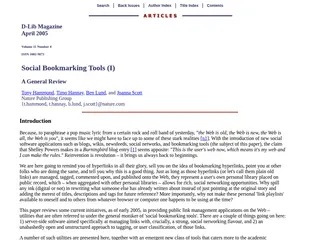
https://dlib.org/dlib/april05/hammond/04hammond.html
Published in D-Lib Magazine in April 2005, this academic article by Tony Hammond and colleagues at Nature Publishing Group provides a comprehensive review of social bookmarking tools, covering platforms like del.icio.us, tagging systems, RSS feeds, and the emerging concept of the social web. It offers a detailed look at how user-driven bookmarking and tagging were reshaping information management on the early Web, making it a fascinating historical snapshot of Web 2.0 in its infancy.
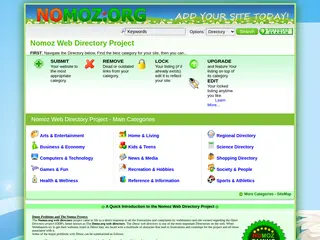
http://nomoz.org/
Nomoz is a human-edited general web directory launched as an alternative to the troubled DMOZ/Open Directory Project, allowing webmasters to submit, edit, and manage their own listings across dozens of categories. Built with direct webmaster input rather than volunteer editors, it aims to be a more transparent and SEO-friendly link directory covering everything from arts and entertainment to regional and shopping categories.
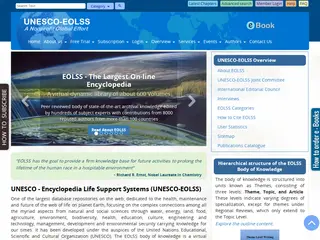
http://eolss.net/
The UNESCO Encyclopedia of Life Support Systems (EOLSS) is a vast, peer-reviewed online reference work spanning earth sciences, biotechnology, social sciences, energy, water, food, and dozens of other disciplines supporting sustainable development. Developed under UNESCO's auspices with an international editorial council, it offers sample chapters, e-books, and institutional subscriptions, making it one of the most ambitious multidisciplinary encyclopedias available on the early web.
http://infosthetics.com/
Information Aesthetics is a long-running blog curating and showcasing the best in data visualization, infographics, and information design from around the web. Posts cover everything from cancer incidence charts to city dashboards and cultural history timelines, making it a rich resource for anyone fascinated by how data can be transformed into compelling visuals.
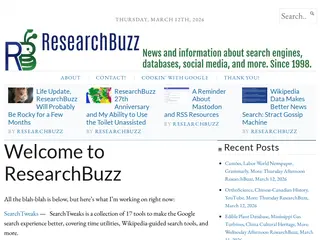
https://researchbuzz.me/
ResearchBuzz has been covering the world of search engines, databases, archives, and online information resources since 1998, making it one of the longest-running research-focused web publications around. Run by a single author known as ResearchBuzz, the site pairs news commentary with a growing suite of original tools like SearchTweaks, Local Search America, and Congress Corral that help users get more out of Google, Wikipedia, and RSS feeds.