
Encyclopedias & FAQs
109 sites
http://aluluei.com/electropolis.htm
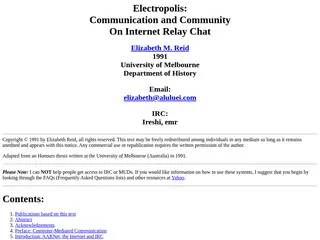
Elizabeth Reid's 1991 University of Melbourne honours thesis examines Internet Relay Chat as a space for community formation and communication, offering an early academic look at online social dynamics. This pioneering text explores how IRC users construct identity, community, and moral frameworks in a digital environment, and was later adapted into publications including a chapter in an MIT Press volume.
https://rlcolem.tripod.com/index-cool.html
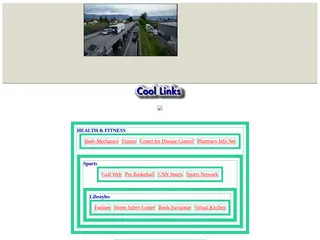
A sprawling personal link directory by rlcolem covering dozens of categories including health, government, entertainment, news, music, and museums. Built in classic late-90s tripod style, it curates hundreds of external links organized into neat topic sections, serving as a one-stop gateway to the early web.
https://ripped.guide/
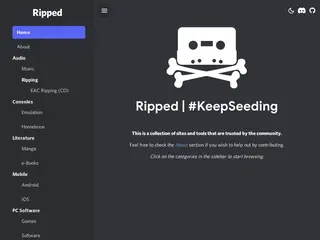
Ripped is a community-curated guide to trusted sites and tools for ripping and archiving media, covering everything from CD audio ripping with EAC to manga, e-books, games, anime, and movies. It serves as a structured reference directory for private trackers, scene terminology, and platform-specific software across PC, Android, iOS, and consoles.
http://xahlee.info/comp/unicode_index.html
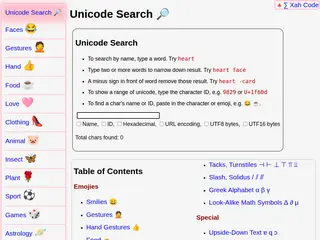
Xah Lee's Unicode Search is a comprehensive reference tool for finding Unicode characters, emojis, and symbols by name, ID, or hex code, covering everything from math symbols to ancient scripts like Cuneiform and Linear B. Visitors can browse an extensive categorized index spanning emojis, currencies, IPA characters, box art, and dozens of world writing systems, making it an invaluable bookmark for developers and writers alike.
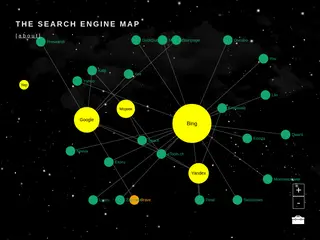
https://searchenginemap.com/
The Search Engine Map is an interactive visual reference that maps all English-language search engines, showing what type each is and where they source their organic results. It distinguishes crawler-based engines from metasearch engines and illustrates the relationships between them in a network graph format.
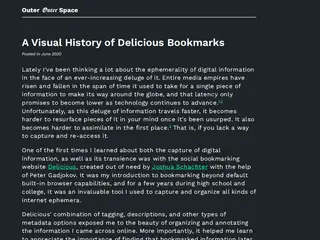
http://outer-outer.space/visual-history-of-delicious-bookmarks
A richly researched visual history of Delicious, the pioneering social bookmarking site, tracing its design evolution through dozens of archived screenshots spanning over a decade. The creator reflects on digital ephemerality, the cultural impact of tagging and metadata, and what was lost when Delicious faded, making this a thoughtful and well-documented tribute to a formative piece of web history.
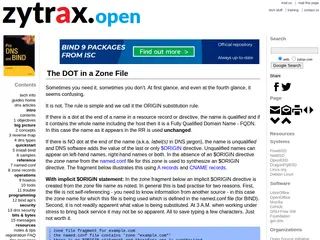
https://zytrax.com/books/dns/apa/dot.html
ZyTrax hosts a comprehensive technical reference covering DNS zone file syntax, specifically explaining the critical rules around when to use a trailing dot in resource records and the ORIGIN substitution rule. Part of a broader open guide library by Ron Aitchison, this page is a clear, authoritative explanation that demystifies one of the most confusing aspects of DNS configuration for sysadmins and network engineers.
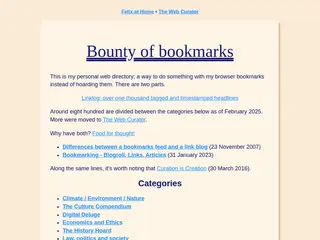
https://felix.plesoianu.ro/links/index.html
Felix's personal web directory collects over a thousand tagged and timestamped bookmarks spanning topics from climate and history to science, technology, and culture. Organized into themed categories like 'The History Hoard' and 'The Sci-Tech Stash,' it functions as a curated link library with highlighted reads on AI, meritocracy, and media criticism.
https://searchenginecolossus.com/
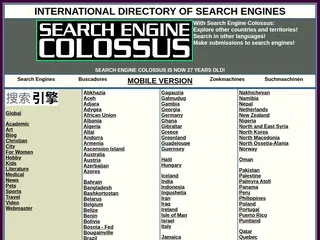
Search Engine Colossus is a veteran international directory of search engines, running since 1998, that catalogs search tools from hundreds of countries, territories, and languages worldwide. Created by Bryan Strome of Canada, it lets visitors find local and regional search engines by geography or category, including academic, news, medical, travel, and hobby-focused engines.
https://googleguide.com/
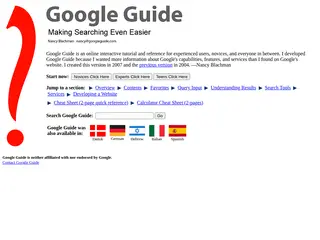
Google Guide, created by Nancy Blachman in 2004 and updated in 2007, is a comprehensive interactive tutorial and reference covering Google's full range of features, from query input and search tools to services and website development tips. Packed with cheat sheets, overviews, and step-by-step guidance, it fills the gaps left by Google's own documentation and serves both beginners and power users.