
Encyclopedias & FAQs
109 sites
https://zillman.us/subject-tracers/directory-resources
Marcus P. Zillman's 2026 Directory of Directories is a massive curated reference collection covering hundreds of subject categories, from AI and biotechnology to genealogy and journalism. Created by a self-described eSolutions Architect and Internet expert, this long-running resource serves as a meta-directory linking to specialized resource guides across virtually every field of knowledge.
http://odp.org/
A web directory built from the legendary DMOZ/Open Directory Project RDF database, organizing thousands of high-quality internet resources across categories ranging from Arts and Science to Regional and World languages. It carries on the spirit of the original ODP, offering a human-curated alternative to algorithmic search engines for those seeking organized, categorized links.
https://theswissbay.ch/pdf
A large open directory of PDFs hosted at theswissbay.ch, offering organized collections of books, academic papers, articles, datasheets, whitepapers, and the famous Gentoomen Library. The breadth of topics covered, from cryptography and politics to technical documentation and presentations, makes it a notable archive for those seeking freely accessible reference materials.
https://searchenginecolossus.com/
Search Engine Colossus is a veteran international directory of search engines, running since 1998, that catalogs search tools from hundreds of countries, territories, and languages worldwide. Created by Bryan Strome of Canada, it lets visitors find local and regional search engines by geography or category, including academic, news, medical, travel, and hobby-focused engines.
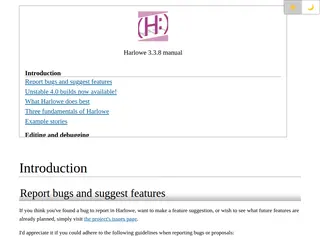
https://twine2.neocities.org/
The official manual for Harlowe 3.3.8, the story format used with Twine 2 for creating interactive fiction, covering every macro, markup syntax, and coding feature in exhaustive detail. With hundreds of documented commands, changers, and variables organized across thousands of links, this reference is an indispensable guide for anyone building Twine-based games or stories.
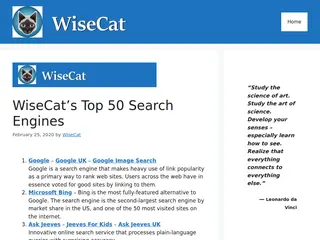
https://wisecat.com/pages/search-engines.htm
WiseCat's Top 50 Search Engines is a curated directory listing and describing the most popular search engines of the early web era, including Google, Ask Jeeves, Lycos, and dozens more with brief explanations of each. Part of the larger WiseCat portal, this page also features a multi-search tool and links to UK-specific search resources, making it a handy one-stop reference for web navigation.
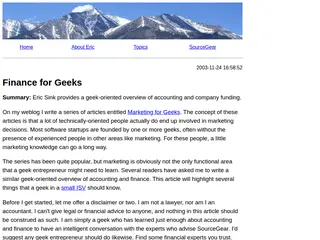
https://ericsink.com/bos/Finance_for_Geeks.html
Eric Sink, founder of developer tools company SourceGear, breaks down accounting and finance concepts specifically for software entrepreneurs and technically-minded geeks who find themselves running small ISVs without formal business training. The article covers core financial statements, funding concepts, and practical terminology to help geek founders hold their own in conversations with accountants and financial advisors.
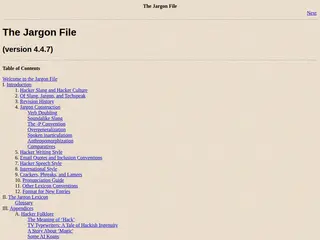
http://catb.org/~esr/jargon/html/index.html
The Jargon File is the legendary online lexicon of hacker slang, culture, and folklore, maintained by Eric S. Raymond (ESR) and covering everything from technical terminology to the sociology of hacker life. Version 4.4.7 includes a full glossary, essays on hacker writing and speech styles, appendices on hacker folklore, and a detailed portrait of hacker culture that has made this one of the most cited references in computing history.
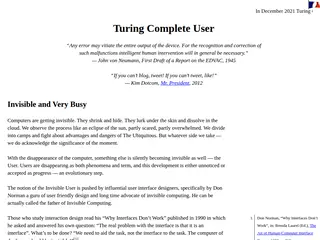
http://contemporary-home-computing.org/turing-complete-user
Turing Complete User is a long-form critical essay and open-access book by Olia Lialina arguing that the concept of 'the user' is being systematically erased from computing culture and interface design. Drawing on sources from John von Neumann to Don Norman and Facebook, it makes a passionate intellectual case for preserving user agency and visibility in an era of invisible, frictionless computing.
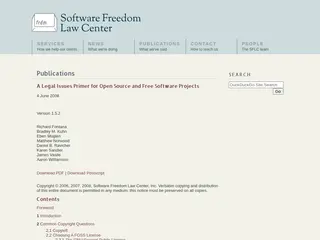
https://softwarefreedom.org/resources/2008/foss-primer.html
Published by the Software Freedom Law Center, this comprehensive legal primer covers copyright, licensing, trademarks, and organizational issues specifically for free and open source software projects. Written by prominent FOSS legal experts including Eben Moglen and Bradley Kuhn, it walks developers through choosing licenses like the GPL, handling copyright enforcement, and structuring their organizations.