
History
162 sites
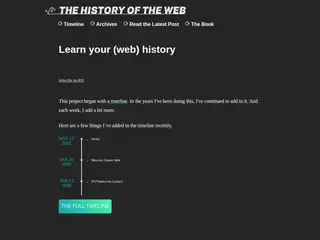
https://thehistoryoftheweb.com/
Jay Hoffmann's ongoing project documenting the history of the World Wide Web through a detailed, date-anchored timeline of key events, launches, and milestones. The site features a growing archive of entries covering everything from the birth of JSON to the launch of NYTimes.com, making it an invaluable reference for anyone curious about how the web evolved.
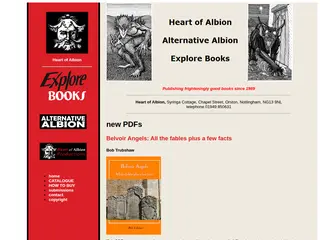
http://hoap.co.uk/index.htm
Heart of Albion Press is an independent UK publisher specializing in folklore, local history, archaeology, and mythology, with a catalogue stretching back to 1989. Visitors can browse and purchase physical books as well as download free PDFs on topics ranging from sepulchral effigies and Leicestershire lore to North European creation mythologies and feminist explorations of Bronze Age Crete.
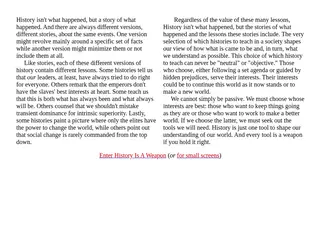
https://historyisaweapon.com/
History Is A Weapon is a radical history resource built around the idea that historical narratives are never neutral and always serve someone's interests. Drawing on thinkers like Howard Zinn, Gramsci, and Walter Rodney, the site presents history as a tool for understanding and challenging existing power structures.
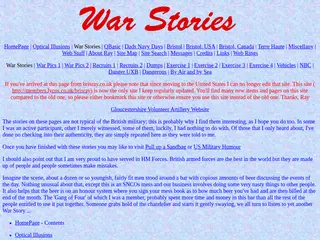
https://brisray.com/wstory/wind.htm
Ray shares firsthand accounts and witnessed tales from his time serving in the British Army, covering training, exercises, vehicles, NBC drills, and unexploded ordnance incidents. The collection of military anecdotes is presented with personal commentary, making it a candid and entertaining look at life in HM Forces.
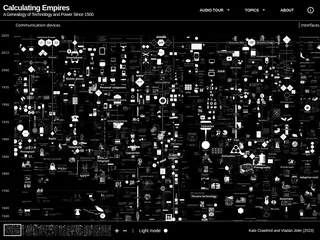
https://calculatingempires.net/
Calculating Empires is a sweeping large-scale research visualization by Kate Crawford and Vladan Joler tracing how technology and power have co-evolved since 1500, spanning topics from computation and surveillance to colonialism and military systems. The interactive map invites deep exploration of the interconnected genealogies of technical and social structures across five centuries, making it a remarkable scholarly artifact for anyone interested in the history of technology and empire.

http://hal.com/~landman/Hypatia
A site dedicated to Hypatia, the ancient Greek mathematician and philosopher of Alexandria, likely featuring biographical and historical content about this notable historical figure. The frames-based structure suggests a multi-section layout typical of late 1990s web design, making it a period artifact in its own right.
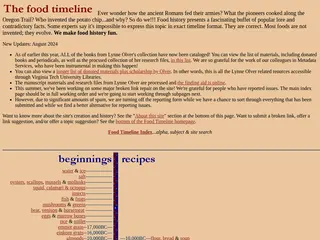
https://foodtimeline.org/
The Food Timeline is an exhaustive culinary history reference created by Lynne Olver and now maintained through Virginia Tech University Libraries, tracing the origins and evolution of foods from ancient Rome to modern times. With over 2,300 books in its library collection and thousands of meticulously researched entries, it answers questions like who invented the potato chip and what pioneers ate on the Oregon Trail.
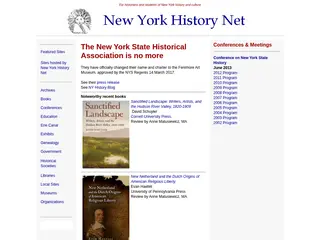
http://nyhistory.com/
New York History Net is a comprehensive hub for historians and students of New York State history, featuring curated links to archives, museums, historical societies, genealogy resources, and educational materials. The site also highlights recent scholarly books on topics ranging from Colonial New Netherland to the American Revolution, making it a valuable reference for serious researchers.
http://blancheparry.co.uk/
A detailed research site dedicated to Blanche Parry, chief gentlewoman to Queen Elizabeth I, created by historian Ruth E. Richardson. Visitors will find biographical research, articles on Herefordshire churches and abbeys, Welsh ancestry tracing, and investigations into topics like Iron Age hillforts, medieval drama, and even who killed Richard III.
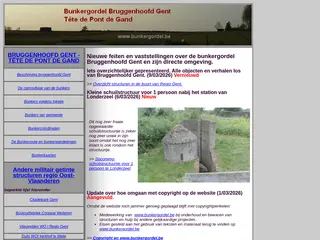
https://bunkergordel.be/
Created by Luc Van de Sijpe, this Belgian site meticulously documents the bunkers, military fortifications, and war structures of the Ghent bridgehead region, covering both World War I and World War II sites across East Flanders. Visitors will find bunker maps, coordinates, walking routes, casualty lists, and detailed accounts of military history from the Atlantic Wall to Cold War-era shelters.