
Retro Computing
195 sites
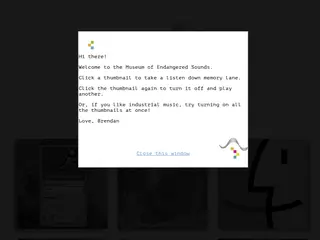
http://savethesounds.info/
The Museum of Endangered Sounds is a quirky archival project dedicated to preserving the iconic audio signatures of obsolete and fading technology, from dial-up modem screech to the click of an AIM notification. Visitors can browse and play back sounds that defined an era of computing and consumer electronics, making it a nostalgic time capsule for anyone who grew up with these forgotten auditory relics.
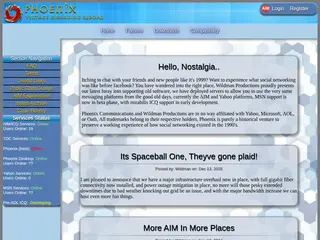
http://iwarg.ddns.net/phoenix/index.php
Phoenix, run by Wildman Productions, is a revival service that brings back functional AIM, Yahoo Messenger, MSN, and ICQ servers so users can chat like it's 1999 using the original client software. The project is a labor of love dedicated to preserving the experience of 1990s social networking, complete with downloads, compatibility guides, and active user counts showing real people connecting through these nostalgic platforms.
https://riomc.cloud/
Rio McCloud's personal digital garden covers technology tutorials spanning Windows, Linux, Android, cybersecurity, retrocomputing, and embedded systems, alongside art, comics, and personal blogs. A proudly independent Neocities site, it serves as a haven from algorithm-driven platforms with a wide range of original content to explore.
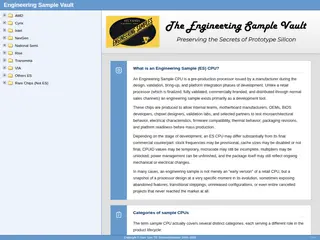
https://engineering-sample.com/
Run by Sam 'Doc TB' Demeulemeester, this vault is a deep-dive resource dedicated to engineering sample CPUs, the pre-production processors issued by manufacturers during chip development that often expose cancelled features, transitional steppings, and unreleased configurations. A labor of love since 2002, the site chronicles the history and variations of ES CPUs alongside broader vintage computing restoration and experimentation.
https://awii.neocities.org/
Awii's website is an old-web style personal homepage with a retro cyberspace aesthetic, complete with a classic 'click to enter' splash page and playful references to Windows XP and Internet Explorer compatibility. Part of the Hotline Webring, this site leans into nostalgic early internet culture with its minimal but characterful entry portal.
https://tasogarefujihana.neocities.org/
Dusk's personal corner of the web styled as a 'computer room,' evoking the aesthetic of Windows 95 and 16-bit era computing. The site features retro-style imagery and participates in the No AI webring, signaling a commitment to hand-crafted, human-made web content.
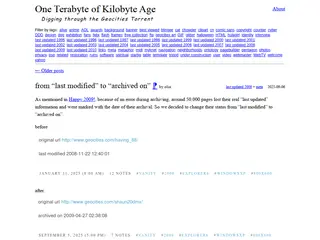
https://blog.geocities.institute/
Run by researcher Olia Lialina, this blog digs through the massive GeoCities torrent archive to surface, analyze, and celebrate the visual and cultural artifacts of early web culture. Expect screenshot showcases, interviews with creators, and thoughtful commentary on GIFs, MIDI, blingee stamps, and the forgotten aesthetics of the 1990s and 2000s web.
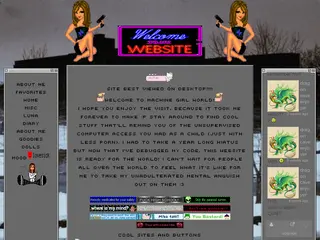
https://xxxmachinegirlxxx.neocities.org/whathappened
Machine Girl World is a nostalgic personal site by a creator channeling the chaotic energy of 1990s and early 2000s unsupervised internet browsing, complete with mood indicators, pixel dolls, and webring memberships. Visitors can explore sections like goodies, a diary, and favorites, all wrapped in a deliberately retro aesthetic that celebrates old-web culture.
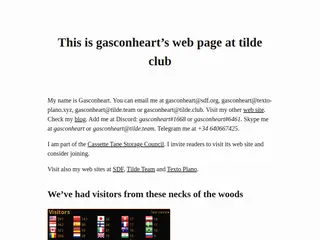
https://tilde.club/~gasconheart
Gasconheart's tilde.club personal page is home base for a member of the old-web tilde community, with links to multiple tilde and SDF accounts, a blog, and even membership in the Cassette Tape Storage Council. The site reflects the hobbyist Unix shell community aesthetic, connecting visitors to a network of small public-access Linux servers and retro-web culture.
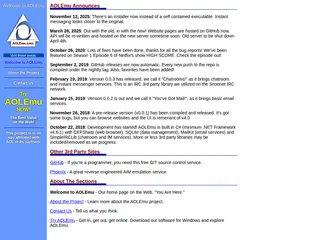
https://aolemu.com/
AOLEmu is an open-source project that emulates the classic AOL client experience, complete with instant messaging, chatrooms, and email services built to replicate the look and feel of AOL v4.0. Built in C# with a nostalgic UI, it has even been featured on Netflix's HIGH SCORE documentary series covering gaming and internet history.