
Retro Computing
195 sites
https://tomasino.org/
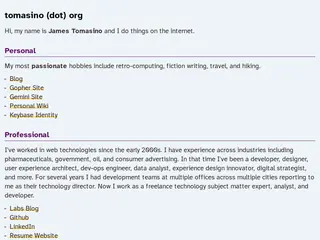
James Tomasino's personal hub showcases a technologist and creative who is passionate about retro computing, the Fediverse, Gopher/Gemini protocols, and fiction writing. Notable projects include Cosmic Voyage, a collaborative sci-fi terminal universe, and Stitchy, a crochet pattern generator from images.
http://mauricesden.net/
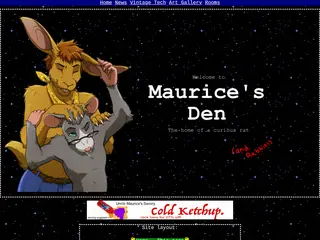
Maurice's Den is the charmingly retro homepage of Maurice the Rat and his hare companion Hazel, two fictional time-travelling characters who collect vintage technology and explore old junk across time and space. The site features a dedicated Vintage Tech section, commissioned character art, and a heartfelt manifesto about recapturing the spirit of the old web, complete with a guestbook and TheOldNet webring membership.
https://sleepysprout.neocities.org/
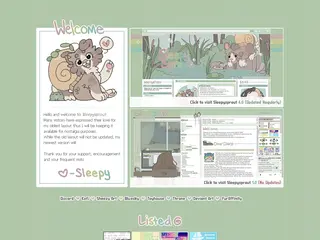
SleepySprout's personal homepage participates in several old-web rings including the Hotline Webring, Geekring, and The Retronaut Webring, signaling a strong retro internet and vintage computing aesthetic. The site leans into nostalgic web culture with a handcrafted Neocities presence that connects visitors to like-minded retro enthusiasts.
https://vintagecomputing.com/
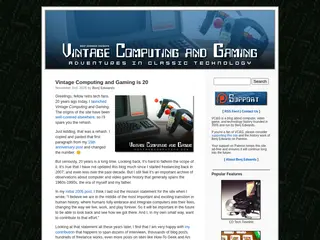
Vintage Computing and Gaming is Benj Edwards' long-running blogazine celebrating the history of classic computers and video games from the 1960s through the 1990s, now marking its 20th anniversary online. Packed with interviews, articles, and historical commentary covering systems like the Atari, NES, TRS-80, ZX Spectrum, and early Macintosh, it stands as a rich archive for anyone passionate about retro tech history.
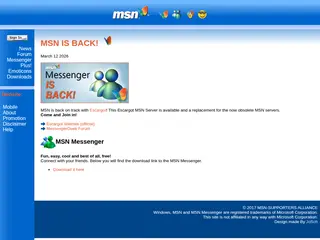
https://msn.neocities.org/
MSN Forever is a nostalgic tribute to MSN Messenger and the classic MSN era of the early internet, celebrating the look and feel of a beloved piece of online history. The frames-based layout itself evokes the retro web aesthetic that fans of old-school Microsoft software will immediately recognize.
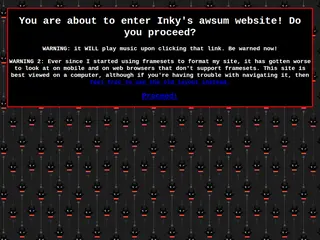
https://c00lgui.neocities.org/
Inky's personal Neocities site greets visitors with a classic old-web splash page complete with autoplay music warnings and frameset-based navigation. The retro aesthetic and technical choices mirror the geocities-era web, making it a charming example of handcrafted personal web design.
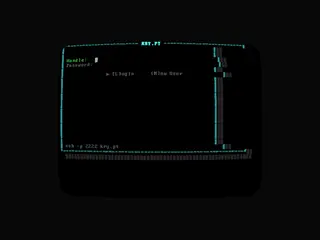
https://kry.pt/
KRY.PT BBS is a retro-style bulletin board system accessible via SSH and Telnet, evoking the classic era of dial-up BBS culture with its ASCII art logo and terminal aesthetics. Visitors can connect directly through command-line protocols, making it a functional throwback to pre-web networked computing.
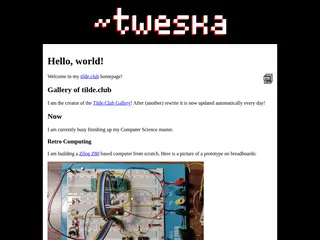
https://tilde.club/~tweska
Tweska's tilde.club homepage highlights their hands-on project building a Zilog Z80-based computer from scratch, complete with breadboard prototype photos. They also created the Tilde.Club Gallery, an automatically updated showcase of member pages on the tildeverse network.
https://retromash.com/cool-links
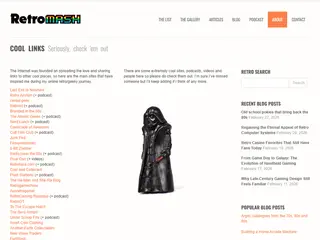
Retromash is a UK-based retro and geek culture site, and this page is its curated links collection pointing visitors toward podcasts, blogs, and video channels covering 80s nostalgia, retro gaming, toys, and cult films. A labor of love for anyone deep in the retro/geeky internet scene, it showcases the community of sites and creators that inspired the Retromash project itself.
https://tilde.club/~Linkletter
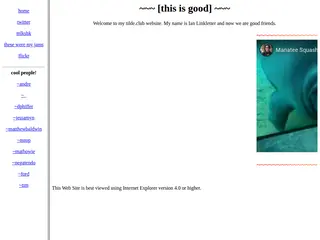
Ian Linkletter's tilde.club personal page greets visitors with a retro-style 'ACTIVATE FRAMES PLEASE!' prompt, evoking the classic era of mid-90s web design and frame-based layouts. Hosted on the collaborative Unix system tilde.club, this site is a charming artifact of old-web culture with minimal but nostalgic content.