
Retro Computing
195 sites
https://dpolakovic.space/noticeboard
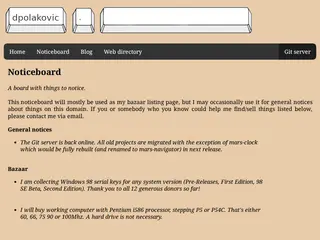
David Polakovic's personal site features a noticeboard where he hunts for vintage hardware, including Windows 98 serial keys and Pentium i586 processors at specific stepping levels. The site also hosts a self-managed Git server for personal projects, including a Mars clock/navigator app, giving it a distinctly hands-on retro computing and hobbyist flavor.

https://wiishopchannel.net/
A faithful web-based remake of the Nintendo Wii Shop Channel, recreating the iconic storefront's interface, music, and visual style in the browser. Fans of the original Wii era will recognize the distinctive keyboard layout, dot-matrix text fields, and looping background audio that made the original channel so memorable.
https://winbows.neocities.org/
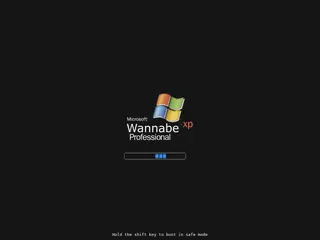
Winbows XP is a creative Neocities personal site styled as a Windows XP desktop interface, complete with familiar UI elements like Start menu, My Documents, Paint, and Notepad reimagined as navigation. The site leans into 90s/early-2000s nostalgia with an aesthetic tribute to the classic operating system, offering a charming and interactive old-web experience.
https://pagetable.com/?p=32
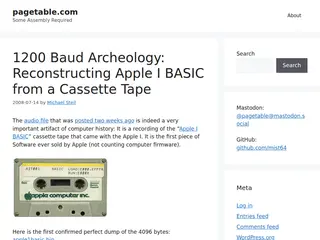
Michael Steil's pagetable.com is a deep-dive technical blog focused on vintage computing archaeology, including this landmark post reconstructing Apple I BASIC from an original cassette tape recording. The site covers 6502 assembly, historical software artifacts, and low-level retrocomputing research with a level of rigor that makes it essential reading for vintage computing enthusiasts.
https://aesistril.com/
Aesistril's personal site is built by a self-described 20-year-old nerd with a passion for electronics, UNIX/Linux systems, old computers, and software, all reflected in its retro-inspired design aesthetic. Visitors can explore a blog, dream log, survival guide, projects, and even café reviews, plus the site participates in both the Hotline and Retronaut webrings.
http://bbsdocumentary.com/
The official site for 'BBS: The Documentary,' a 2005 film by Jason Scott chronicling the history of Bulletin Board Systems and the communities that formed around them. It includes trailers, reviews, a BBS software list, an event history timeline, and a BBS history library, making it an invaluable archive for anyone interested in pre-internet online culture.
https://hellnet.work/8831
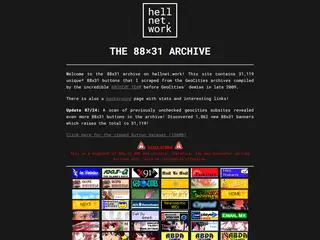
A massive archive of over 31,000 unique 88x31 pixel buttons scraped from the GeoCities archives before the site's 2009 shutdown, preserving a beloved artifact of 1990s and 2000s web culture. Visitors can browse paginated galleries of the tiny banners or download the full 156MB dataset, making it an invaluable resource for old-web enthusiasts and digital historians alike.
https://s546.remotes.club/
S546's homepage on remotes.club is a minimalist ASCII-art personal page hosted on a retro-styled community server. The site features a striking text-based banner in the old-web Unix tradition, evoking the aesthetics of bulletin board systems and early terminal culture.
https://pasokon-deacon.carrd.co/
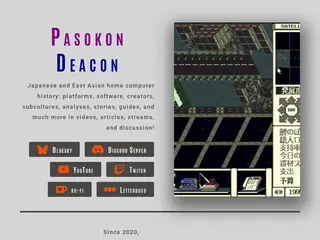
Pasokon Deacon is a hub for a creator who has been covering Japanese and East Asian home computer history since 2020, exploring classic PC platforms, software, creators, and subcultures through videos, articles, and streams. A rare English-language resource diving deep into the world of vintage Japanese PCs, it links out to YouTube, Twitch, and other channels where the bulk of the content lives.
https://slimysomething.neocities.org/
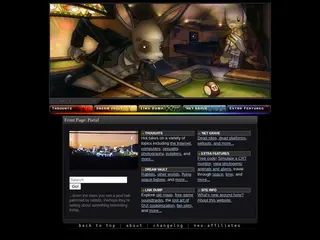
SlimySomething's eclectic personal site features the 'Internet Graveyard,' a section dedicated to dead sites, lost platforms, and digital sellouts, alongside a link dump of old maps, free game soundtracks, and GUI customization relics. With extras like CRT monitor simulation code, a dream journal, and hot takes on internet culture and computers, this site is a loving tribute to the old web aesthetic.