
Software
301 sites
https://paintsquiggles.helioho.st/
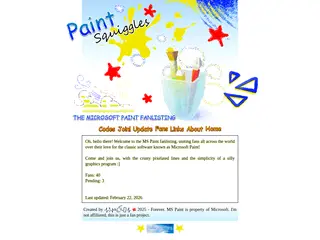
Paint Squiggles is a fanlisting dedicated to Microsoft Paint, the beloved classic graphics program that has delighted users with its simplicity and pixelated charm for decades. With 40 members and counting, it brings together fans worldwide who share a nostalgic appreciation for the humble but iconic software.
https://lucb1e.com/randomprojects/php/secrypt
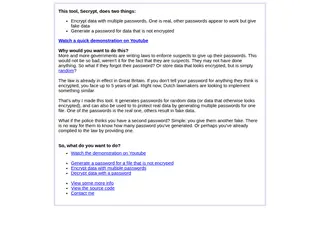
SeCrypt is a browser-based encryption tool created by lucb1e that lets users encrypt files or messages with multiple passwords, where only one reveals the real data and others produce convincing fakes. Built as a response to compelled-password laws in countries like the UK, it offers a clever layer of plausible deniability for anyone concerned about forced decryption.
http://theocacao.com/document.page/445
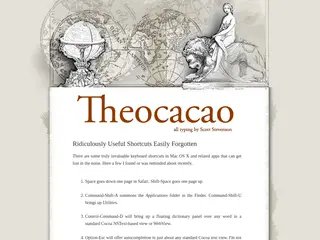
Scott Stevenson's Theocacao covers Mac OS X and Cocoa/Objective-C development tips, including this page highlighting lesser-known but highly useful keyboard shortcuts for Mac apps and the Finder. The site also promotes his O'Reilly book on Cocoa and Objective-C, making it a valuable resource for Mac developers and power users alike.
https://unplug.neocities.org/
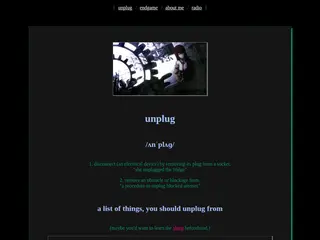
A cyberpunk-flavored personal manifesto urging visitors to ditch mainstream operating systems, browsers, and smartphones in favor of privacy-respecting alternatives like Linux and ungoogled Chromium. The site curates links to spyware classification tools, privacy deep-dives, chan lists, and anonymous file sharing utilities, all wrapped in a gritty aesthetic borrowed from cyberpunk culture.
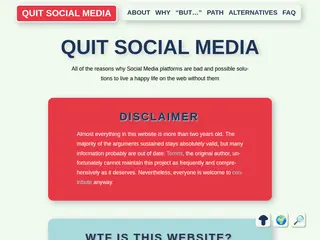
https://quitsocialmedia.club/home
Quitsocialmedia.club, created by Tommi, compiles arguments for why social media platforms are harmful alongside practical alternatives and resources for living without them. A well-organized reference covering objections, solutions, and even how to delete your accounts, it welcomes community contributions and translations.
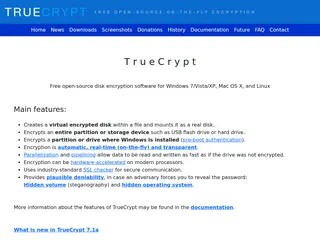
https://truecrypt.org/
The official home of TrueCrypt, a free and open-source disk encryption utility for Windows, Mac OS X, and Linux that encrypts entire drives, partitions, or virtual disk files on the fly. Notable for its plausible deniability feature via hidden volumes and hidden operating systems, it became one of the most widely trusted encryption tools before its controversial discontinuation.
http://all-nettools.com/toolbox
AllNetTools offers a comprehensive collection of free online network utilities including TraceRoute, Ping, NsLookup, Whois lookup, proxy testing, and bandwidth measurement tools. Visitors can also find privacy tools like anonymous surfing and email, web SEO tools like PageRank checkers, and financial utilities like currency converters, making it a broad toolkit for internet diagnostics and research.
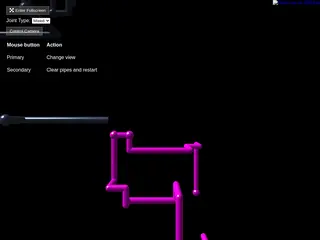
https://1j01.github.io/pipes
A browser-based recreation of the classic Windows 3D Pipes screensaver, rendered in real-time on an HTML5 canvas with interactive controls for joint type, camera movement, and fullscreen mode. Visitors can customize the pipe animation and freely rotate, pan, and zoom the 3D view directly in their browser.
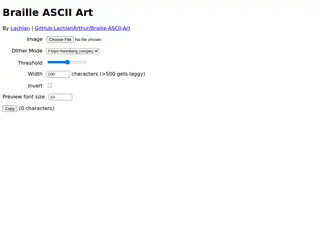
https://lachlanarthur.github.io/Braille-ASCII-Art
Created by Lachlan Arthur, this tool converts images into Braille-based ASCII art using several dithering algorithms including Floyd-Steinberg, Stucki, Atkinson, and threshold modes. Visitors can upload an image, adjust width and inversion settings, preview the output, and copy the resulting Braille characters directly to the clipboard.
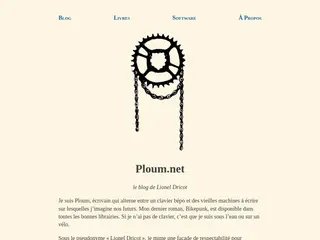
https://ploum.net/
Ploum.net is the bilingual blog of Lionel Dricot, a Belgian writer and open-source advocate who writes extensively about software freedom, the Fediverse, AI, digital sovereignty, and the pitfalls of modern tech monocultures. Posts range from technical topics like Git workflows and command-line philosophy to broader essays on capitalism and education, all written with a distinctive, opinionated voice.