
Weather & Climate
104 sites

https://web.uwm.edu/hurricane-models/models
Hosted at the University of Wisconsin-Milwaukee, this site by Clark Evans provides hurricane forecast model output for the North Atlantic, Eastern Pacific, and Central Pacific basins. It offers an archive, storm identifiers, shapefiles, KML data, analogs, and verification tools, making it a technical reference for tracking tropical storm activity.

https://www.stormchase.us/
Matt Ver Steeg of WeatherEdge, Inc. documents his storm chasing adventures across Iowa and tornado alley, offering a photo gallery, tornado pictures, weather research, and live weather data tools. Packed with radar links, satellite imagery, severe weather outlooks, and personal field reports, this site is a solid resource for both hobbyist storm chasers and weather enthusiasts.
http://coolwx.com/record
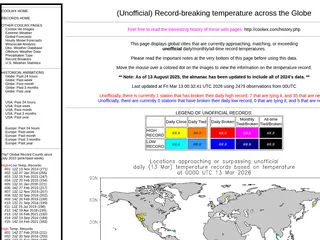
CoolWx tracks unofficial record-breaking temperatures across the globe, cataloging high and low temperature records from over 3,800 weather stations dating back to July 2010. Visitors can explore historical animations of weather patterns by region and time period, as well as ranked lists of the most prolific record-breaking days in recent climate history.

http://www-k12.atmos.washington.edu/k12/grayskies
Hosted by the University of Washington's Atmospheric Sciences department, GRAYSKIES is an educational resource focused on Earth's atmosphere, offering climate data, rooftop weather observations, and curated links to Pacific Northwest weather and climate tools. Visitors can explore 30-year climate averages, satellite imagery, and data plotting tools alongside a broad collection of regional and national weather resources.

http://lowellhighlandsweather.com/
Lowell Highlands Weather is a personal weather station site for Lowell, Massachusetts, delivering live temperature, humidity, wind, and barometric readings powered by WeeWX software. Beyond real-time gauges, the site offers an impressive array of resources including historical climate data, radar and satellite imagery, tropical storm tracking, and local astronomy almanac information.

https://stansweather.net/chase-logs
Stan Olson's storm chasing archive covers decades of severe weather pursuits across Illinois, Indiana, Oklahoma, and beyond, with individual chase logs dating back to 1999. Each entry chronicles a specific storm chase event, including notable encounters like a tornado near Elmwood IL and a high-risk chase in North Central Oklahoma, making it a compelling firsthand record of Midwest storm chasing.
http://worldclimate.com/
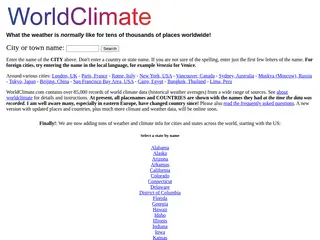
WorldClimate.com is a comprehensive database of historical weather averages for over 85,000 locations worldwide, offering rainfall, temperature, and precipitation records spanning decades. Travelers, researchers, and curious minds can look up climate normals for cities from Bangkok to Lima, making it a handy reference for trip planning, relocation decisions, or general weather curiosity.

http://stormgasm.com/
Stormgasm is the storm chasing hub of Jim Bishop, Juston Drake, and Simon Brewer, featuring dramatic tornado videos, supercell photography, hurricane footage, and storm chase galleries. Visitors can browse or purchase stock footage from real-world chases across Tornado Alley, making it a go-to resource for weather enthusiasts and filmmakers alike.

http://forrestmims.org/
Forrest M. Mims III is a prolific science author and self-taught scientist whose personal site documents decades of atmospheric research including UV-B measurements, volcanic aerosol tracking, and twilight photometry at Mauna Loa Observatory. With over 7.5 million books sold and a Rolex Award for science, Mims shares original scientific data, publications, and photography spanning solar radiation, dust layers, and environmental monitoring.
http://twisterdata.com/
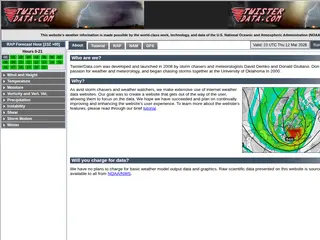
TwisterData.com is a meteorological data tool built in 2008 by storm chasers David Demko and Donald Giuliano, offering RAP, NAM, and GFS weather model forecasts with detailed atmospheric parameters like CAPE, hodographs, helicity, and sounding data. Designed with a clean, data-first philosophy, it pulls from NOAA datasets and is especially valuable for storm chasers, meteorologists, and serious weather enthusiasts who need raw model output without distractions.