
Web Design
1378 sites
http://css.maxdesign.com.au/listamatic/horizontal03.htm
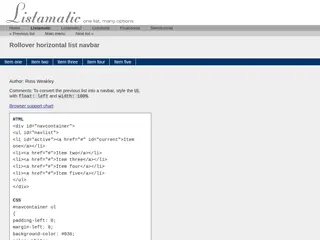
Listamatic by Russ Weakley is a practical CSS reference demonstrating how a single HTML unordered list can be styled into a wide variety of navigation bars and menus. This particular page shows how to build a rollover horizontal navbar using CSS float and hover techniques, complete with full HTML and CSS code ready to copy.
https://pechaflickr.net/
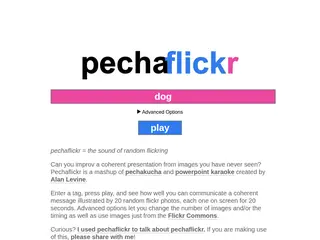
Pechaflickr is a clever web mashup created by Alan Levine that combines the PechaKucha presentation format with PowerPoint Karaoke, challenging users to improvise a coherent talk from 20 random Flickr photos shown for 20 seconds each. Advanced options let you customize slide count, timing, and image sources including Flickr Commons, making it a fun tool for educators and presenters.
https://clagnut.com/
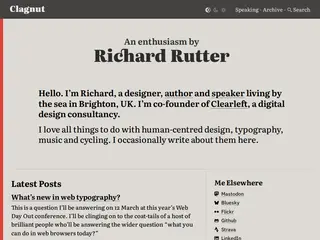
Richard Rutter's personal blog focuses heavily on web typography, browser interoperability, and human-centred design, drawing on his work as co-founder of Clearleft, a digital design consultancy. Posts range from technical typographic deep-dives and Interop feature requests to reflections on design leadership and AI, making it a thoughtful read for web professionals.
http://microformats.org/profile/hatom
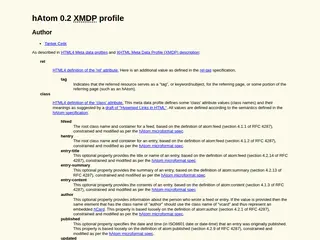
The official XMDP profile page for hAtom 0.2, a microformat specification authored by Tantek Çelik that defines semantic class names and rel values for embedding Atom-style feed and entry data directly into HTML. It serves as a technical reference document outlining properties like hfeed, hentry, entry-title, and entry-summary based on RFC 4287, contributed to the public domain by microformats.org.
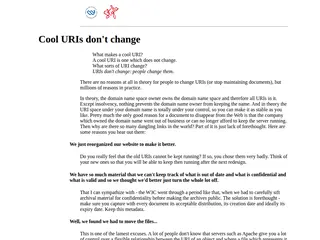
https://w3.org/Provider/Style/URI
Tim Berners-Lee's classic 1998 essay from W3C argues that well-designed URIs should never change, outlining the practical and philosophical reasons why link rot happens and how to avoid it. A foundational piece of web architecture thinking that remains essential reading for anyone designing URLs for long-term stability.
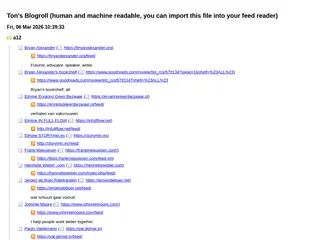
https://zylstra.org/opml/tonzylstra.opml
Ton Zylstra's curated blogroll presented as an OPML file, making it both human-readable and importable directly into any RSS or feed reader application. A useful snapshot of one person's web reading habits, this kind of structured subscription list is a classic artifact of the blogging and open web era.
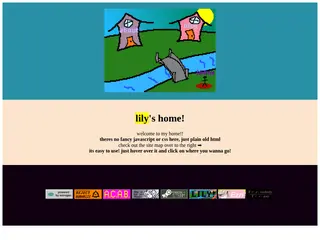
https://s-mith.github.io/awfulwebsite
Lily's minimalist homepage proudly eschews CSS and JavaScript in favor of plain HTML, offering a deliberately bare-bones old-web experience. The site features a simple sitemap navigation, inviting visitors to explore what lies beyond this sparse but charming landing page.

https://brutalistwebsites.com/
Brutalist Websites is a curated gallery showcasing websites that embrace the brutalist design philosophy, celebrating raw, uncomfortable, and unconventional web aesthetics as a counterpoint to polished mainstream design. With over a thousand examples from studios, artists, and creative projects, it serves as both an archive and a manifesto for a distinct school of web design thinking.
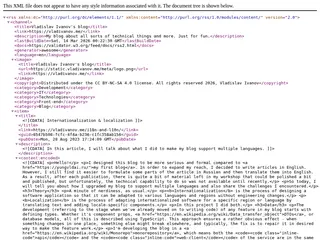
https://vladivanov.me/feed
Vladislav Ivanov is a front-end developer and ITMO University graduate who writes technical articles covering topics like internationalization, monorepos, Git, TypeScript, and custom font design. The blog digs into real front-end engineering challenges with code examples and detailed write-ups, making it a useful read for developers interested in modern web development.
https://csh.bz/gifmelter
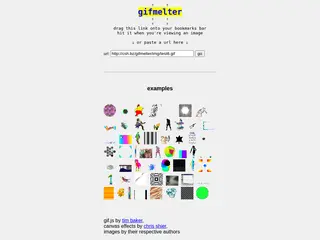
GifMelter is a browser-based tool by Tim Baker and Chris Shier that lets you distort and glitch any GIF image using canvas effects, either via a bookmarklet or by pasting a URL. It's a clever creative utility that turns ordinary animated GIFs into melting, warped visual experiments right in your browser.