
Reference
78 sites
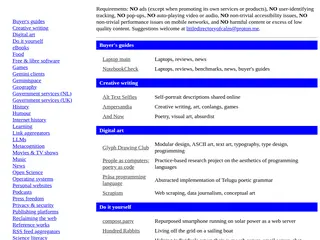
https://littledirectoryofcalm.com/
The Little Directory of Calm curates links to websites that meet strict requirements: no ads, no tracking, no pop-ups, and no auto-playing media, making it a peaceful alternative to the noisy modern web. Spanning dozens of categories from creative writing and digital art to web development and open science, it serves as a thoughtfully filtered gateway to the quieter corners of the internet.
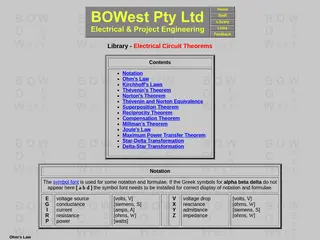
http://bowest.com.au/library/theorems.html
A comprehensive reference page from BOWest covering the full range of electrical circuit theorems, including Ohm's Law, Kirchhoff's Laws, Thevenin's and Norton's Theorems, Millman's Theorem, and Star-Delta transformations. Each theorem is presented with clear notation, formulas, and derivations, making it a handy technical reference for students and engineers alike.
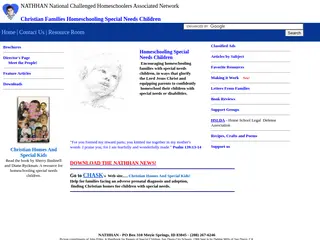
https://nathhan.com/
NATHHAN (National Challenged Homeschoolers Associated Network) is a Christian organization supporting families who homeschool children with special needs and disabilities, including autism, Down syndrome, ADD, and ADHD. The site offers downloadable newsletters, classified ads, book reviews, articles by subject, support group listings, and resources for parents navigating the unique challenges of special needs homeschooling.
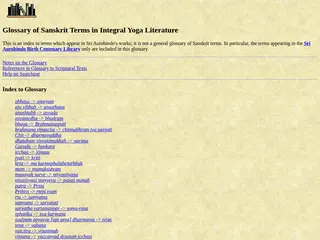
https://miraura.org/lit/skgl.html
A searchable glossary of Sanskrit terms drawn specifically from Sri Aurobindo's works and the Sri Aurobindo Birth Centenary Library, making it a specialized reference for students of Integral Yoga philosophy. The indexed entries span hundreds of Sanskrit terms with alphabetical navigation sections and references to scriptural texts, offering a focused scholarly tool for readers of Aurobindo's writings.
https://thepunctuationguide.com/
The Punctuation Guide is a comprehensive reference covering every major punctuation mark, from periods and commas to em dashes and angle brackets, with guidance on British versus American style differences. Precise and well-organized, it serves as a go-to resource for writers, editors, and students who need clear rules on punctuation usage.
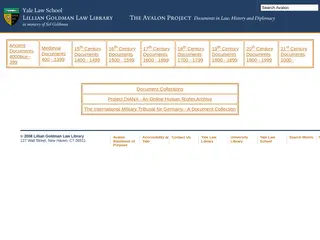
https://avalon.law.yale.edu/default.asp
Hosted by Yale Law School's Lillian Goldman Law Library, the Avalon Project is a massive digital archive of primary source documents spanning law, history, and diplomacy from ancient times through the 21st century. Researchers and history enthusiasts will find everything from ancient texts to the Nuremberg Tribunal records, organized chronologically and by collection.
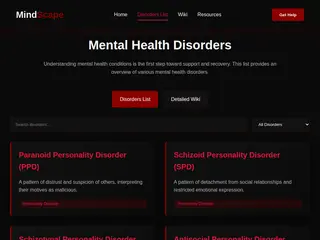
https://mind-scape.neocities.org/list
MindScape is a mental health reference site that catalogs a wide range of psychological disorders, from personality and mood disorders to dissociative and psychotic conditions, with brief, accessible descriptions of each. Visitors will also find links to crisis helplines, therapist finders, and self-help tools, making it a practical starting point for anyone seeking to understand mental health conditions.
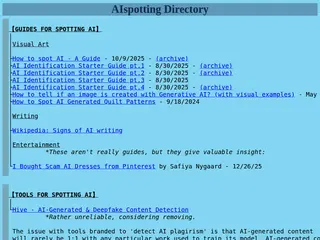
https://aispotting.neocities.org/
AIspotting is a curated directory of guides and tools for identifying AI-generated content across visual art, writing, and other media, helping people protect themselves from AI fraud and misinformation. It also collects resources for artists to protect their work from being used in AI training, along with recommendations for AI-free creative platforms.
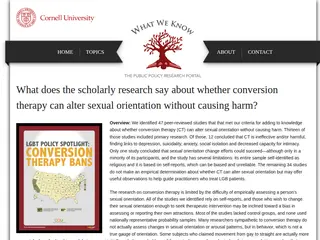
https://whatweknow.inequality.cornell.edu/topics/lgbt-equality/what-does-the-scholarly-research-say-about-whether-conversion-therapy-can-alter-sexual-orientation-without-causing-harm
A Cornell University research portal summarizing 47 peer-reviewed studies on conversion therapy, examining whether it can alter sexual orientation without causing harm. The site presents a thorough academic consensus, citing links to depression, suicidality, and anxiety, while methodically evaluating the limitations of existing research.
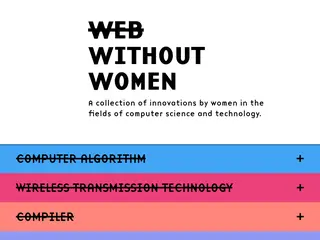
https://nowebwithoutwomen.com/
No Web Without Women is an educational showcase highlighting the pivotal contributions of women in computer science and technology, featuring profiles of pioneers like Ada Lovelace, Hedy Lamarr, and Grace Hopper with historical images and clear explanations of each innovation. The site makes a compelling case for how foundational technologies like algorithms, wireless transmission, and compilers owe their existence to overlooked female inventors and scientists.