
Education
165 sites
Subcategories:
- Schools & Universities (15)
- Tutorials & How-To (71)
- Reference (78)
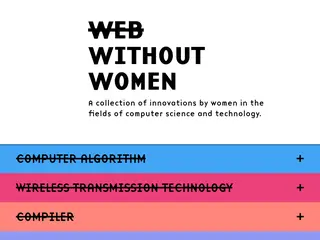
https://nowebwithoutwomen.com/
No Web Without Women is an educational showcase highlighting the pivotal contributions of women in computer science and technology, featuring profiles of pioneers like Ada Lovelace, Hedy Lamarr, and Grace Hopper with historical images and clear explanations of each innovation. The site makes a compelling case for how foundational technologies like algorithms, wireless transmission, and compilers owe their existence to overlooked female inventors and scientists.
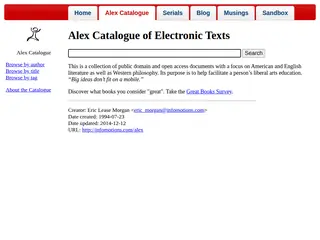
http://infomotions.com/alex
The Alex Catalogue of Electronic Texts, created by Eric Lease Morgan in 1994, is a curated collection of public domain and open access documents focused on American and English literature and Western philosophy, designed to support a liberal arts education. Visitors can browse thousands of texts by author, title, or tag, with links to repositories like Project Gutenberg, HathiTrust, and the Internet Archive.
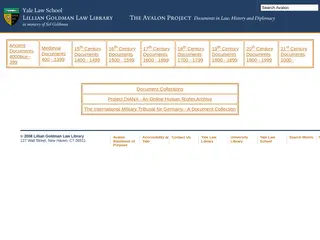
https://avalon.law.yale.edu/default.asp
Hosted by Yale Law School's Lillian Goldman Law Library, the Avalon Project is a massive digital archive of primary source documents spanning law, history, and diplomacy from ancient times through the 21st century. Researchers and history enthusiasts will find everything from ancient texts to the Nuremberg Tribunal records, organized chronologically and by collection.
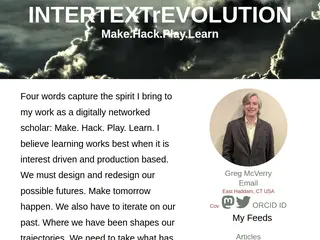
https://jgregorymcverry.com/
Greg McVerry is a digitally networked scholar based in East Haddam, CT, whose site INTERTEXTrEVOLUTION explores the intersections of literacy, digital learning, and making through articles, blog posts, poetry, and podcasts. Organized around the motto 'Make. Hack. Play. Learn.', the site reflects his academic and creative philosophy that learning is interest-driven, production-based, and deeply tied to digital tools and networked communities.
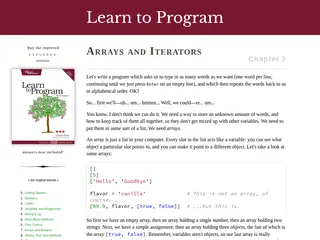
https://pine.fm/LearnToProgram/chap_07.html
Chapter 7 of Chris Pine's 'Learn to Program', a beginner-friendly Ruby programming tutorial covering arrays and iterators with clear explanations and hands-on code examples. The guide is available in over ten language translations and walks complete novices through core programming concepts step by step.
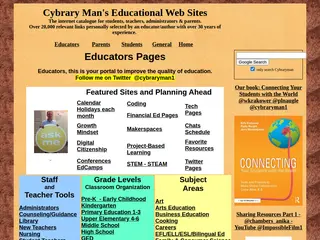
https://cybraryman.com/0_teachers1.htm
Cybrary Man is a massive curated directory of over 20,000 educational web links personally selected by veteran educator Jerry, organized for teachers, students, parents, and administrators. The site spans every subject area and grade level from Pre-K through higher education, making it an extraordinarily comprehensive portal for anyone involved in learning or teaching.
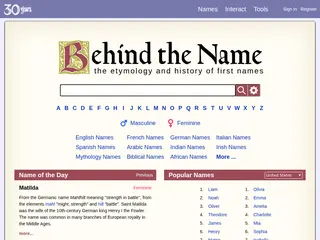
https://behindthename.com/
Behind the Name is a comprehensive encyclopedia of first names from around the world, covering etymology, history, and cultural origins for thousands of given names across dozens of languages and traditions. Visitors can browse by letter or origin, check name popularity by country, explore namesakes, and even use tools like a random name generator and baby name advisor.
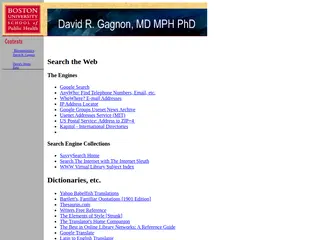
https://people.bu.edu/gagnon/websrch.htm
David R. Gagnon, a Boston University biostatistics professor, compiled this reference page of curated web links spanning search engines, online dictionaries, e-book repositories, translation tools, and general internet utilities. A classic early-web link collection, it serves as a personal portal to resources like Project Gutenberg, Bartlett's Quotations, and various web reference tools.

http://9houses.org/
JJMK focuses on electricity saving tips and energy conservation, offering guidance on the best ways to reduce power consumption at home. The site covers energy saving devices and practical strategies for cutting electricity costs.
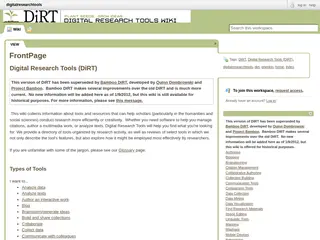
https://digitalresearchtools.pbworks.com/w/page/17801672/FrontPage
Digital Research Tools (DiRT) is a wiki-based directory cataloging software and resources to help humanities and social science scholars conduct research more efficiently, covering everything from citation management to text analysis and data visualization. Organized by research activity, it offers both a browsable tool directory and in-depth reviews exploring practical applications for academic researchers.