
Tutorials & How-To
71 sites
http://fredbortz.com/
Dr. Fred Bortz is a children's science writer and educator whose site showcases his books on topics ranging from subatomic particles to planetary astronomy, school visit programs, and a Q&A section where kids can ask science questions. With approved science education credentials and a catalog spanning the Higgs Boson to Mars exploration, this site serves as a friendly gateway connecting young readers, teachers, and librarians to accessible science literature.
![Use regular expressions to validate/format a string [Real's JAVASCRIPT How-to]](/screenshots/28958.webp)
https://rgagnon.com/jsdetails/js-0063.html
Real's HowTo, compiled by Réal Gagnon, is a sprawling reference collection of practical code snippets and how-to guides covering Java, JavaScript, PowerBuilder, VBScript, and more. This particular page focuses on using regular expressions in JavaScript to validate and format strings, offering a compact set of patterns for common data types like phone numbers, dollar amounts, and social security numbers.
https://ncase.me/
Nicky Case is a creator of interactive, playful educational experiences covering topics like game theory, anxiety, AI safety, and news cycles, all freely available under a public domain waiver. The site showcases a remarkable portfolio of explorable explanations, interactive games, essays, and talks that make complex ideas genuinely fun and accessible.
http://chompchomp.com/
Grammar Bytes! is a lively grammar instruction site offering lessons and exercises with a no-nonsense, attitude-driven approach to teaching English grammar. It is a go-to reference for students and teachers looking for engaging, accessible grammar help beyond the typical dry textbook.
http://toolmanmike.20m.com/
Toolman Mike offers beginner-friendly tips on home repair, covering essential starter tools like screwdrivers, hammers, tape measures, and utility knives with practical buying advice. The site also includes miscellaneous household tips such as caring for cut flowers and other DIY guidance aimed at newcomers tackling basic repairs.
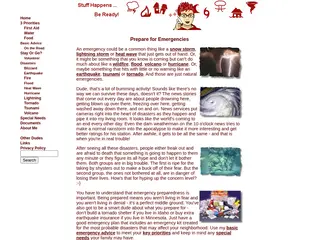
http://emergencydude.com/
EmergencyDude.com is a comprehensive guide to emergency preparedness covering natural disasters from earthquakes and tsunamis to blizzards and volcanoes, with practical advice on water, food, first aid, and evacuation planning. The site takes a friendly, approachable tone to walk families through building survival plans and understanding their specific needs before disaster strikes.
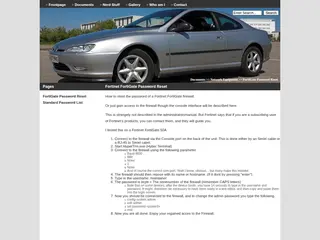
http://afterschool.dk/documents/network/fortigate-password-reset
Afterschool.dk is a personal technical reference site packed with how-to guides covering FreeBSD, Unix/Linux, networking equipment, and Windows administration tasks. The FortiGate password reset guide walks through console cable access and CLI commands to regain admin access to a Fortinet firewall, part of a broader collection of sysadmin notes and tutorials.
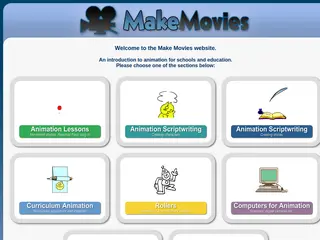
https://makemovies.co.uk/
Make Movies is a free educational resource by Stan Hayward that introduces animation and filmmaking to schools, covering lessons on creating characters, writing scripts, and both traditional and computer animation techniques. Sponsored by the Kraszna-Krausz Foundation, the site includes curriculum-aligned materials, an animation database, and links to related resources, making it a comprehensive starting point for young animators.
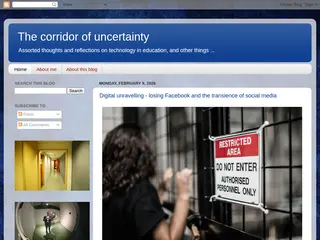
https://acreelman.blogspot.com/
Alastair Creelman's long-running blog explores the intersection of technology and education, covering e-learning, digital conferences, online tools, and reflections on the evolving digital landscape. Written from the perspective of an experienced education technologist, the blog offers thoughtful commentary on topics like social media, digital preservation, and learning technology trends.
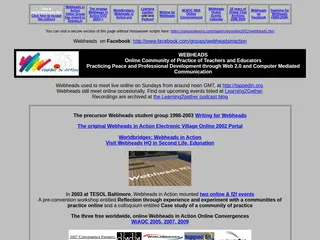
https://vancestevens.com/papers/evonline2002/webheads.htm
Webheads in Action is a long-running online community of practice for teachers and educators exploring Web 2.0, computer-mediated communication, and professional development through collaborative online learning. Created by Vance Stevens, this portal aggregates over a decade of resources including chat archives from 1998-2009, online convergence events, podcasts, and links to the group's presence across Second Life, Facebook, and various collaborative platforms.