
Computers & Internet
2825 sites
Subcategories:
- Demoscene (4)
- Programming (535)
- Web Security (28)
- Hardware (65)
- Software (301)
- Web Design (1378)
- Retro Computing (195)
- Linux & Unix (192)
- Encyclopedias & FAQs (109)

https://m10k.eu/
m10k is a technically deep programming blog covering topics like RISC-V porting, input method engineering, Bash parsers, and software design patterns. The author dives into niche low-level subjects with detailed write-ups, making it a rewarding read for developers interested in systems programming and minimalist software philosophy.
https://strawberry-gashes.neocities.org/
Gen Lissa's atmospheric Neocities personal site blends aesthetic sensibility with fanlisting memberships, mini cliques, and a moody strawberry-and-iron visual theme. The image-heavy, music-enabled layout captures classic early-web personal page style with a dark, romantic edge.
https://atinytrashbag.neocities.org/
Bag's personal Neocities site is a colorful digital playground built as a self-taught coding project, featuring shrines, stamps, webrings, and a custom CD player with an eclectic music playlist. The site leans into indie web culture with fanlistings, cliques, and a cheerful "under construction" spirit that captures the creative DIY ethos of the modern old-web revival.
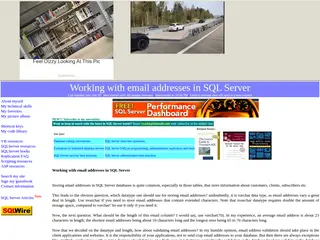
https://vyaskn.tripod.com/handling_email_addresses_in_sql_server.htm
Narayana Vyas Kondreddi's technical page dives deep into SQL Server topics, with this article covering how to properly store, validate, and restrict access to email addresses in SQL Server databases using T-SQL. The site also hosts a broader library of SQL Server resources, FAQs on replication, Visual Basic code samples, and ASP references.
https://webring.mousetail.nl/
Friends of the Mouse is a small webring index maintained by mousetail, connecting a curated circle of personal sites and projects. The ring includes navigation links to member sites and ties into other webrings like the Hot Line Web Ring, making it a tiny but charming node in the old-web community.
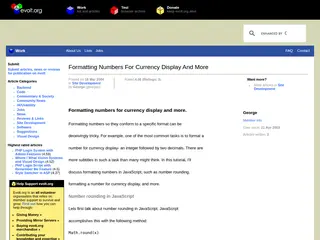
https://evolt.org/node/60300
Evolt.org is a community-driven resource for web developers featuring member-submitted articles, news, and tutorials covering topics like PHP, visual design, site development, and usability. This particular article by George covers formatting numbers for currency display, representative of the practical, code-focused guides the site is known for.

https://ty3r0x.chaox.ro/
Ty3r0X's Lair is the personal corner of a tech-savvy individual who goes by Ty3r0X, featuring badges and propaganda for Linux, Firefox, Neovim, and homebrew software culture. The site oozes old-web hacker aesthetics with GPG key links, anti-Chrome sentiment, and a collection of friend/affiliate buttons that signals a deeply embedded open-source community presence.
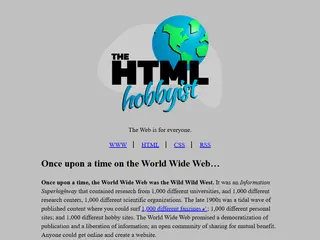
https://www.htmlhobbyist.com/?webring=htmlhobbyist
The HTML Hobbyist, created by N.E. Lilly, is a passionate resource dedicated to teaching plain HTML and encouraging people to build simple, honest personal websites without heavy frameworks or JavaScript bloat. It champions the open, creative spirit of the early web and offers tutorials, hosting walkthroughs, a web badge, and a webring for like-minded hobbyist site builders.
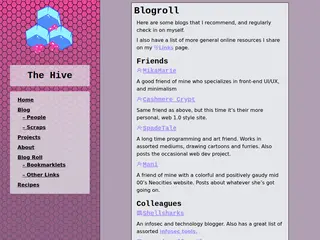
https://vzqk50.com/blogroll
The Hive's blogroll, maintained by Apis Necros, curates a handpicked list of blogs and personal sites spanning infosec, programming, IndieWeb, and tech commentary. It serves as a warm introduction to a community of independent web authors, mixing close friends' personal sites with colleagues writing about cybersecurity, software freedom, and accessibility.

https://dc1632521.neocities.org/
Myriam Serruya's creative space hosts a series of numbered web experiments titled 'Laboratories,' each likely showcasing a distinct design or coding concept. The minimal navigation structure hints at an exploratory, hands-on approach to front-end web craft.