
Computers & Internet
2825 sites
Subcategories:
- Demoscene (4)
- Programming (535)
- Web Security (28)
- Hardware (65)
- Software (301)
- Web Design (1378)
- Retro Computing (195)
- Linux & Unix (192)
- Encyclopedias & FAQs (109)
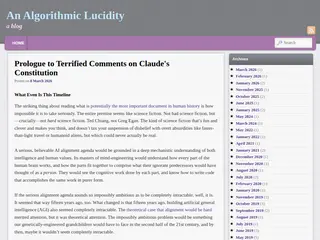
http://zackmdavis.net/blog
Zack M. Davis writes deeply analytical posts on AI alignment, machine learning, rationalism, and related technical philosophy on this long-running personal blog. The content is intellectually demanding and wide-ranging, touching on topics like Claude's model spec, selection effects, and the mathematical foundations of intelligence.
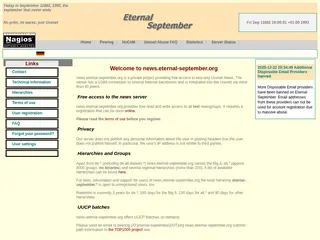
https://eternal-september.org/
Eternal September is a free, community-run Usenet news server offering access to over 8,000 text newsgroups including the Big 8, alt.*, and numerous regional hierarchies without any cost. Named after the famous internet milestone, the server features peering with 40+ nodes, a 1GBit connection, multi-year message retention, and privacy-conscious posting headers that never expose user IP addresses.
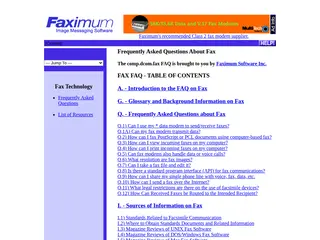
http://faximum.com/faqs/fax
Hosted by Faximum Software Inc., this is a comprehensive FAQ covering fax technology drawn from the comp.dcom.fax newsgroup, addressing everything from modem compatibility and fax resolution to internet faxing and legal restrictions. It includes a glossary, standards references, and curated magazine reviews of fax software and hardware across UNIX, DOS/Windows, and Mac platforms.
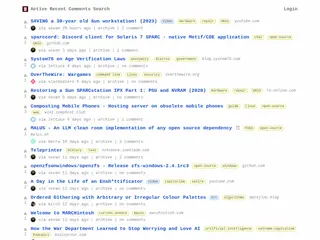
https://tilde.news/
Tilde News is a community link aggregator focused on retro hardware, UNIX systems, open-source software, and vintage computing topics, curated by contributors like sevan and lettuce. Stories cover everything from restoring Sun SPARCstations to running Linux on obsolete mobile phones, making it a rich resource for enthusiasts of classic and alternative computing.
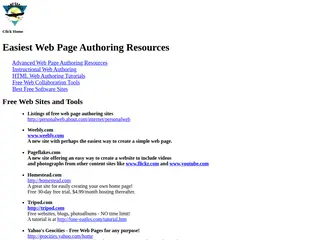
https://lone-eagles.com/webdev.htm
A curated directory of free web page authoring tools, hosting platforms, and software resources aimed at beginners looking to build their first website. The page covers everything from drag-and-drop site builders like Weebly and Homestead to HTML tutorials, free collaboration tools, and software download sites.
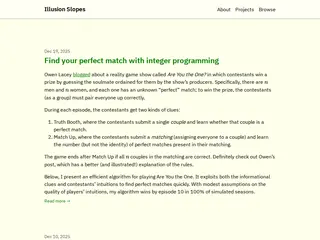
https://maxkapur.com/
Max Kapur's blog covers numerical optimization, operations research, and software development with posts that apply mathematical algorithms to surprisingly fun problems like reality TV matchmaking games. The writing bridges technical depth and cultural curiosity, making it a compelling read for anyone interested in applied math and programming.
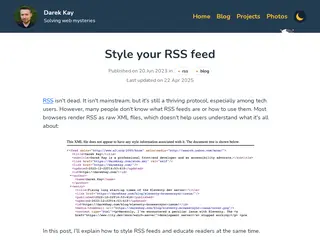
https://darekkay.com/blog/rss-styling
Darek Kay's technical blog post walks through how to style RSS feeds using XSL/XSLT, turning raw XML into a readable, user-friendly page in the browser. The tutorial includes code samples, browser support notes, and real-world examples from Kay's own blog and photography site.
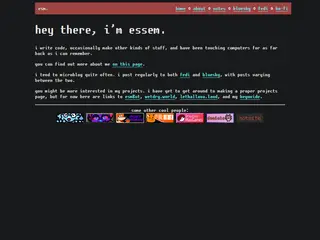
https://essem.space/
Essem's personal homepage showcases a developer who builds open-source projects including esmBot and runs Fediverse instances like wetdry.world and lethallava.land. The site serves as a hub linking to their code projects, microblogging presence on both Fediverse and Bluesky, and a Ko-fi support page.
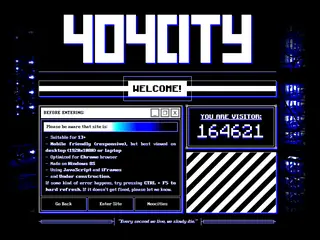
https://404city.neocities.org/
404 City is a retro-themed personal site on Neocities with a stylish old-web aesthetic, built with JavaScript and iFrames. The splash page hints at a creative, under-construction personal space with a dark, nostalgic tone.

https://webmastering.neocities.org/
Created by Linky, this encouraging resource hub is aimed at newcomers who want to build their own websites, covering HTML, CSS, layouts, hosting, webrings, and graphics. It champions the indie web movement and curates beginner-friendly links to help anyone become a webmaster.