
Computers & Internet
2825 sites
Subcategories:
- Demoscene (4)
- Programming (535)
- Web Security (28)
- Hardware (65)
- Software (301)
- Web Design (1378)
- Retro Computing (195)
- Linux & Unix (192)
- Encyclopedias & FAQs (109)
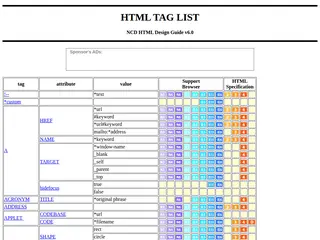
http://ncdesign.org/html/list.htm
NCDesign's HTML Tag List is a comprehensive reference guide cataloging every HTML tag, its attributes, and accepted values, with notes on browser support and HTML specification compliance. Part of the larger NCD HTML Design Guide v6.0, it covers everything from basic tags to deprecated elements and their style sheet replacements.
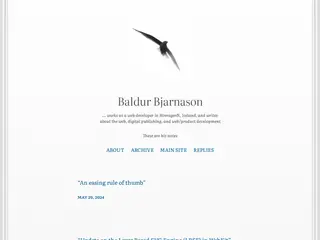
https://notes.baldurbjarnason.com/
Baldur Bjarnason is a web developer based in Hveragerði, Iceland, who shares sharp, opinionated notes on web development, digital publishing, and the tech industry. With 292 pages of posts, the site covers everything from SVG engines and CSS tooling to critical takes on AI hype and open-source sustainability.
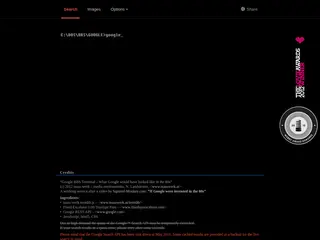
https://masswerk.at/googleBBS
Google BBS Terminal is a creative art project by N. Landsteiner of mass:werk that reimagines Google Search as if it were a 1980s bulletin board system, complete with green and amber monochrome display modes and CRT scan line effects. Built with JavaScript, HTML5, and a custom terminal library, it's a fully functional novelty tool that lets you search the web through an authentic-feeling retro terminal interface.
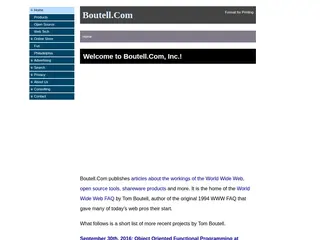
https://boutell.com/
Tom Boutell's long-running web technology hub, home to the original 1994 World Wide Web FAQ that helped launch countless web careers. The site publishes articles on open source tools, JavaScript techniques, CMS development, and shareware products, reflecting decades of hands-on web development expertise.
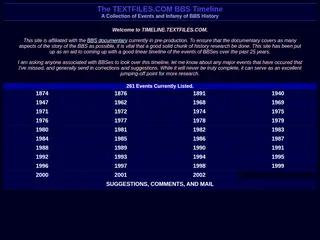
http://timeline.textfiles.com/
A comprehensive chronological timeline of Bulletin Board System history, cataloging 261 events from 1874 through 2002, created as research support for a BBS documentary in production. Built by the team behind TEXTFILES.COM, it invites community contributions and corrections to fill in the gaps of this landmark era in pre-internet online culture.
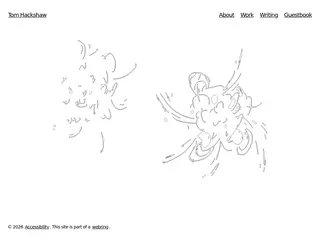
https://tom.so/
Tom Hackshaw is a design engineer from Aotearoa, New Zealand who showcases his work, writing, and professional presence through this clean personal site. The site participates in a webring and reflects a thoughtful approach to accessible, minimalist web design.
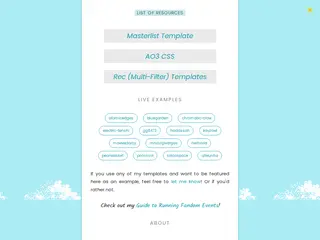
https://fan.kingdra.net/
Magpies is a collection of free templates and CSS resources for fandom use, including masterlist templates, AO3 CSS customizations, and rec (multi-filter) templates built by the creator at kingdra.net. Live examples from community members show the templates in action, and a bonus guide to running fandom events rounds out this handy toolkit for online fandom organizers.
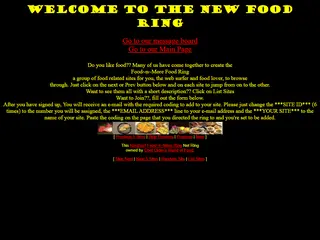
http://www.chefolder.com/webring.html
Chef Older's Food~n~More Ring is a RingSurf-powered webring connecting food-related websites for browsing food lovers. Visitors can hop between member sites using previous, next, and random navigation, or submit their own food site to join the growing community.
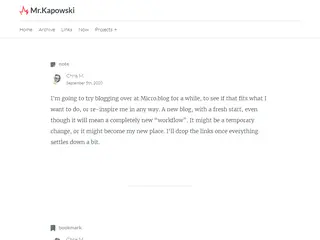
https://mrkapowski.com/
Chris McLeod's personal blog covers an eclectic mix of tech interests including Linux, the IndieWeb movement, iOS shortcuts, and open-source hardware like the PinePhone and PineBook Pro. The site participates in IndieWeb webrings and showcases a thoughtful approach to independent web publishing outside corporate platforms.
https://loveberry.nekoweb.org/
Loveberry is a web resource site by June, offering CSS snippets, coded widgets, and guides designed to help others build and customize their own websites. Notable offerings include status cafe widgets, comment box customizations, and reusable code snippets aimed at making web design more accessible to beginners.