
Computers & Internet
2825 sites
Subcategories:
- Demoscene (4)
- Programming (535)
- Web Security (28)
- Hardware (65)
- Software (301)
- Web Design (1378)
- Retro Computing (195)
- Linux & Unix (192)
- Encyclopedias & FAQs (109)
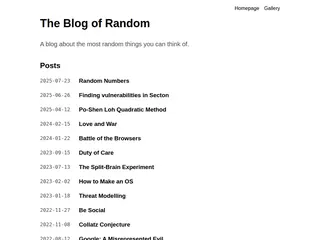
https://zerolimits.dev/blog
Zerolimits.dev hosts a wide-ranging personal blog covering topics from cybersecurity and threat modelling to mathematics, chaos theory, and quantum physics. Posts span several years and mix technical deep-dives like 'How to Make an OS' and 'Finding Vulnerabilities in Secton' with lighter curiosities such as the history of toilet paper.
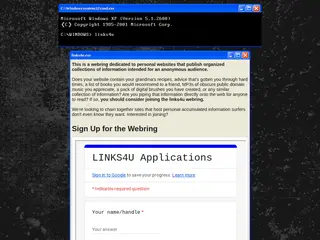
https://verdronic2000.neocities.org/projects/l4u
links4u is a webring created by verdronic2000 that connects personal websites hosting organized, freely available collections of information for anonymous visitors. From recipe archives and book recommendations to digital brushes and obscure music, it celebrates the spirit of sharing knowledge openly on the web.
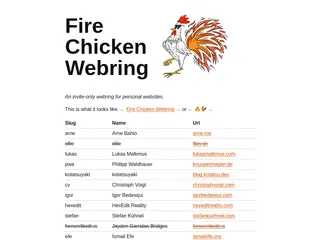
https://firechicken.club/
Fire Chicken Webring is an invite-only webring created by Arne Bahlo, connecting a curated collection of personal websites from developers and creators around the web. Members can browse the ring via navigation links, and an OPML file is provided so visitors can subscribe to all member sites at once via RSS.
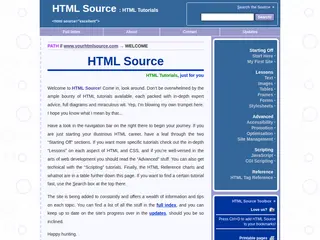
https://yourhtmlsource.com/
HTML Source, created by Irish web designer Ross Shannon, offers a comprehensive library of HTML and CSS tutorials ranging from beginner basics to advanced techniques and scripting. The site includes tag references, special character charts, web-safe colour guides, and a glossary, making it a well-organized one-stop reference for anyone learning web development.
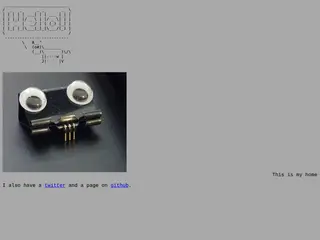
https://tilde.town/~silentbicycle
A minimalist homepage on tilde.town featuring an ASCII art cow and a brief personal introduction, linking out to the creator's Twitter and GitHub profiles. The sparse, text-art aesthetic is a nod to old-school Unix terminal culture and the tilde community collaborative server scene.
https://matija.suklje.name/
Matija Šuklje, known online as Hook, writes at the intersection of free and open source software law, licensing, and hacker culture, bringing a lawyer's precision to the FOSS world. Posts range from copyright and licensing proposals like REUSE.software and the Fiduciary License Agreement to KDE integration projects and the occasional musing on tea, sailing, or Slovene grammar.
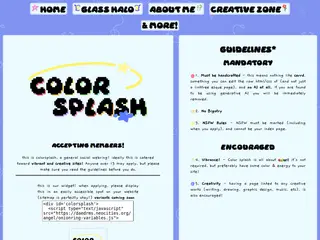
https://daedrms.neocities.org/angel/colorsplash
Colorsplash is a general-purpose webring hosted by Nora (daedrms) that connects handcrafted, vibrant, and creative personal websites made without AI or site builders. Members are encouraged to bring color, energy, and creative works like art, writing, or music to the ring, with a small but growing index of member sites.
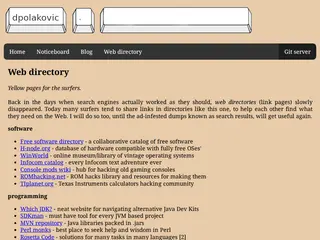
https://dpolakovic.space/dir
David Polakovic's curated web directory serves as a hand-picked "yellow pages" for surfers tired of ad-cluttered search engines, organizing links across software, programming, tools, and tutorials. The collection leans heavily toward free software, retro computing resources, Linux utilities, and developer tools, reflecting the site owner's technical passions.
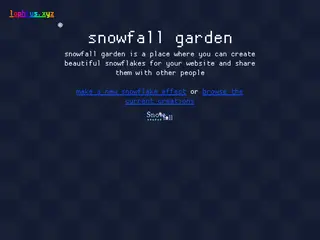
https://snowfallgarden.lophius.xyz/
Snowfall Garden is a creative tool by lophius.xyz that lets you generate and customize animated snowflake effects for use on your own website. Visitors can browse snowflake designs shared by others or build their own, making it a handy little resource for old-web and personal page decorators.
https://lofihi.fi/
Espen's minimal personal page introduces local.html, a client-side webring concept that lets you build a decentralized webring using simple HTML link attributes. The project is a clever take on old-web connectivity, allowing anyone to create a friend ring by adding a single anchor tag to their page.