
Science & Nature
1439 sites
Subcategories:
- Astronomy & Space (396)
- Chemistry (8)
- Earth Sciences (26)
- Biology (79)
- Physics (30)
- Mathematics (59)
- Weather & Climate (104)
- Amateur Radio (682)
- Electronics (47)
http://www2.rdrop.com/users/billmc
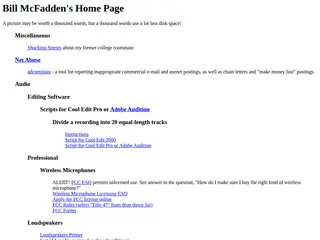
Bill McFadden's eclectic homepage covers a surprisingly deep range of radio-related interests, from pirate radio station KHOG and FCC licensing FAQs to scanner frequencies, shortwave charts, and wireless microphone regulations. Alongside the radio content, visitors will find loudspeaker design resources, audio editing scripts for Cool Edit Pro, and home automation links, making it a genuine hobbyist's workbench online.
http://spider.seds.org/spider/Misc/naming.html
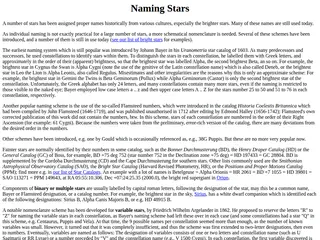
A detailed reference page from SEDS (Students for the Exploration and Development of Space) explaining how stars are named, from ancient cultural traditions to modern systematic schemes like the Bayer designation system introduced in 1603. Created by Hartmut Frommert and Christine Kronberg, the page covers Greek letter designations, star catalogs, IAU nomenclature standards, and debunks commercial 'name a star' schemes.
https://www.qsl.net/kc4gzx/kc4gzx/index.htm
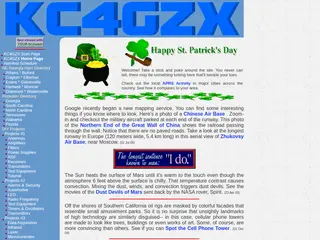
KC4GZX is a ham radio enthusiast's site packed with homebrew DIY projects covering antennas, amplifiers, filters, transmitters, receivers, and test equipment. It also serves as a regional resource for Northeast Georgia amateur radio operators, featuring ham directories, repeater listings for multiple southeastern states, and hamfest schedules.
https://tonnesoftware.com/
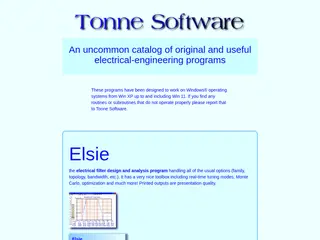
Tonne Software offers a catalog of free and low-cost electrical engineering programs for Windows, covering filter design, meter scale drawing, great-circle mapping, Smith charts, and more. The site also hosts technical articles and tutorials on topics like speech processing, AM demodulators, and CW bandpass filters, many published or submitted to QEX magazine.
http://solstation.com/habitable.htm
Sol Station explores the concept of habitable zones around stars, presenting scientific information about which stellar systems might support life. The site offers a visually driven look at astrobiology and planetary habitability, making complex astrophysics accessible to curious visitors.
http://gazers.org/
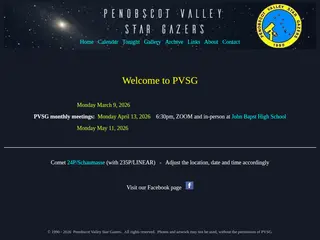
The Penobscot Valley Star Gazers (PVSG) is a Maine-based astronomy club hosting monthly meetings both in-person at John Bapst High School in Bangor and via Zoom. The site offers a calendar of upcoming events, a gallery, an archive, and real-time comet tracking resources for members and stargazing enthusiasts in the region.
https://www.qsl.net/ccac
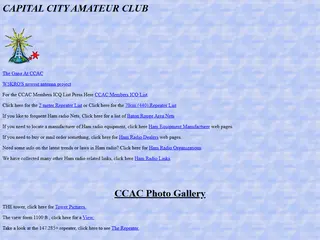
The Capital City Amateur Club (CCAC) is a ham radio club based in the Baton Rouge, Louisiana area, home to the W5KRO callsign and their repeater systems. Visitors will find links to local 2-meter and 70cm repeater lists, Baton Rouge area nets, ham equipment manufacturers, dealers, and a photo gallery featuring their tower and antenna projects.
http://k0ham.com/
K0HAM is an amateur radio operator's personal site, identifiable by the callsign-based domain that follows standard ham radio naming conventions. The site uses a frames-based layout typical of early web design, suggesting a hobbyist page dedicated to ham radio activity and resources.
https://mnhamradio.com/
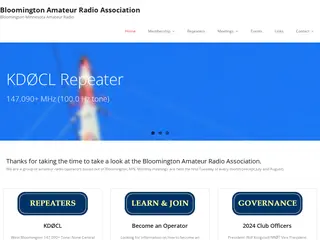
The Bloomington Amateur Radio Association (BARA) is a club for amateur radio operators based in Bloomington, Minnesota, affiliated with the ARRL since 1979. The site covers club membership, repeater frequencies, officer listings, and resources for those looking to get their ham radio license.
http://big.or.jp/~ham/dx.html
A long-running DX information hub operated by Waiwai Ham Life, aggregating 50MHz DX cluster data from Japan with archives stretching back to 1998. The site covers HF DX, EME, 144MHz, and satellite contacts, and includes links to callbooks, DXCC lists, IOTA lists, and logging software for serious DXers.